
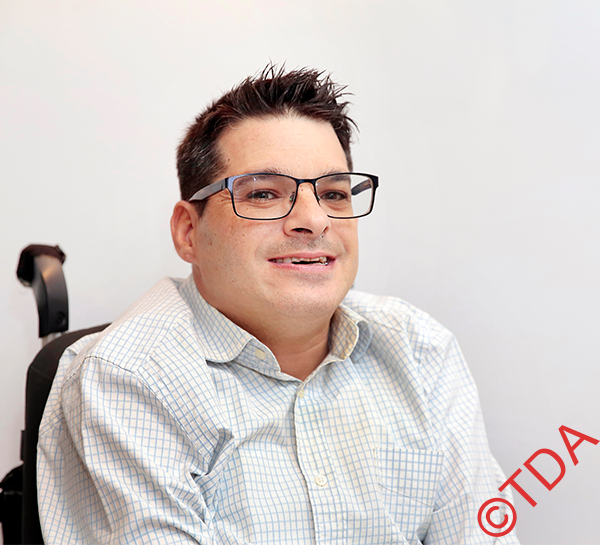
JUST PUBLISHED: Why Disabled People Use Chat GPT as a Lifeline — While Too Many Able-Bodied People Misuse It
Let me be absolutely clear from the start: for many disabled people, AI is not a luxury. It’s not a toy. It’s not a way to dodge work.
AI is access. AI is independence. AI is the difference between having a voice and being silenced.
And in my case, ChatGPT is the partner that helps me write columns, challenge systems, connect with media, and continue fighting for fairness in services that are supposed to support disabled people but so often fail us.
For me, ChatGPT doesn’t replace my voice — it amplifies it.
Writing takes energy. Thinking takes energy. Campaigning takes energy. Existing with a disability takes energy that most able-bodied people never have to consider.
On days when I’m battling pain, dealing with the emotional weight of failures in care, or fighting through fatigue caused by poor wheelchair provision, AI allows me to keep going. It enables me to work at the pace required to be heard — in journalism, campaigning, and politics.
This isn’t a shortcut. This is survival.
But let’s be honest: there is a growing problem with able-bodied misuse of AI. People using ChatGPT to cheat on assignments. People copying entire pages and pretending they wrote them. People relying on AI to avoid thinking or learning.
But that is not the disabled experience. Disabled people use AI the way we use mobility equipment — with purpose, necessity, and dignity. Just as my wheelchair gives me physical mobility, ChatGPT gives me creative mobility. Whereas some able-bodied people use AI to skip effort, disabled people use it to access effort that able-bodied people take for granted.
Here’s a piece many never see: my daily life is shaped not just by creativity and ambition, but by structural barriers. Delayed wheelchair repairs. Carers arriving late. Equipment failures. Endless appointments. Navigating systems that treat disabled people as afterthoughts.
While able-bodied people complain about a busy day, disabled people are fighting to simply move through the day. That is why tools like ChatGPT matter so much.
It gives me back:
- Time
- Independence
- Energy
- Equality
- the ability to participate
- the ability to create
- the ability to be heard
Without AI, I would still write — but it would take me ten times longer. And the world moves fast. Campaigns move fast. Media moves fast. Politics moves fast. AI lets me keep up.
I am a campaigner fighting for wheelchair reform after years of delays, unsuitable equipment, and poor treatment in Barnet and across the UK. I am writing an autobiography — a full, emotional account of my life, struggles, and victories. I am running Sugar Kayne Radio, using audio to tell stories that mainstream media too often ignores. I am working to build a political future in the Conservative Party because disabled voices belong in Parliament, and I intend to be one of them. I am someone who has experienced trauma in the care system, navigated broken services, and still chooses to stand up and fight — every single day.
AI doesn’t diminish my work. It enables it.
A message to anyone judging disabled people for using AI
Before criticising us, ask yourself:
- Do you know what it’s like to be in pain while trying to write?
- Do you know how exhausting it is to battle for basic equipment?
- Do you know what it’s like when your mobility is compromised because a wheelchair repair takes months?
- Do you understand how limited energy becomes when disability shapes every hour of your day?
- If you don’t live this reality, you don’t get to judge how we use technology.
AI is not cheating when you’re disabled — it’s access.
Access to writing.
Access to journalism.
Access to campaigning.
Access to political participation.
Access to autonomy.
Access to opportunity.
Access to dignity.
When I create a column like this one with ChatGPT, the ideas, the voice, the story — they are mine. AI just helps me overcome the barriers my body creates. It doesn’t erase my voice. It frees it.
I will continue using AI responsibly, ethically, and creatively. To tell the truth. To expose injustice. To fight for wheelchair users across the UK. To make sure disabled voices are not just heard, but impossible to ignore.
Because technology, when used the right way, is not a threat to human creativity — it is the doorway to it.
And for disabled people like me, it is life-changing.
