
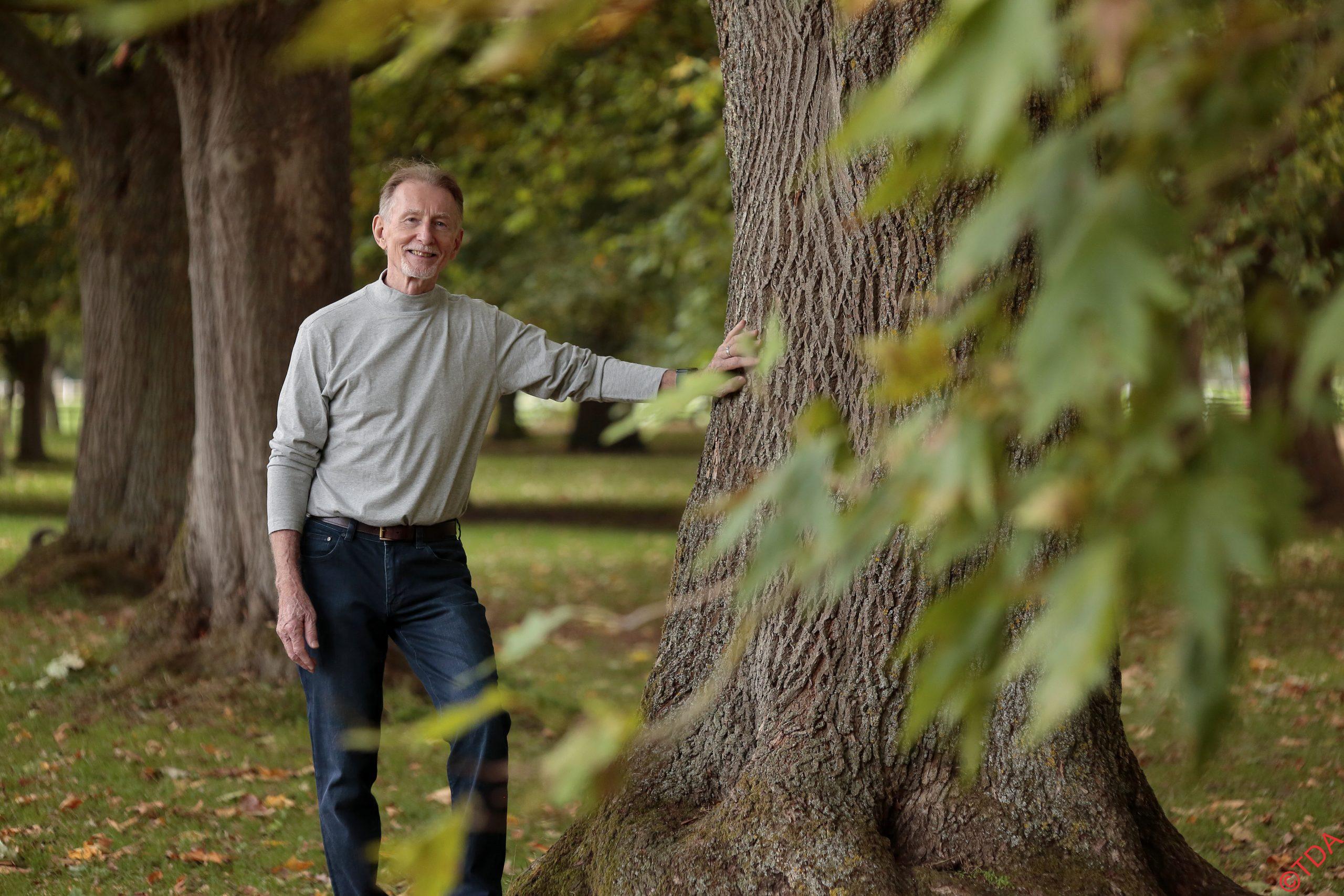
JUST PUBLISHED: Stop Trying to Fix Yourself: Self-Love Is the Only New Year’s Resolution That Matters
As we step into 2026, many of us are confronting familiar promises to ourselves about change, improvement, and becoming ‘better versions’ of who we are. But what if the real journey isn’t about transformation at all? What if it’s about learning to love and protect the person you already are?
After 35 years researching gender and human behaviour, I’ve learned that wellbeing isn’t a destination we reach through New Year’s resolutions. It’s an ongoing practice of self-protection and self-love that requires us to quiet the noise in our heads and connect with what truly matters.
The statistics are sobering. Over 4 million young people under 25 in England were prescribed antidepressants in 2022/23—more than double the 2.5 million in 2015. Young women are one and a half times more likely to experience poor mental health than young men, with 41% compared to 26% affected. This isn’t just a British phenomenon but a global crisis affecting Gen Z women everywhere.
Twenty years ago, when I first began exploring Buddhist meditation practices in Thailand, mental health discussions were rare. Today, wellbeing has assumed an almost religious status across the Western world, leading to a proliferation of therapists and counsellors. We’re living through what some call the Age of Anxiety, and nowhere is this more apparent than among young women navigating social media pressures, economic uncertainty, and rapidly evolving social expectations.
My own path to wellbeing was neither quick nor straightforward. When I first attempted meditation in 2004, something extraordinary happened. Within minutes of settling into stillness, my arms would begin shaking violently while the rest of my body remained perfectly still. It frightened me initially, but I sensed it was natural, a way my mind was finding to eliminate accumulated toxicity.
After a couple of years, the shaking subsided completely. I believe my mind was literally shaking out the noise, the ego elevation, the endless desires that had been crowding my consciousness for decades. Meditation won that battle, but it took patience and persistence.
The lesson here isn’t about replicating my experience but about finding your own path to mental quietness. Whether it’s meditation, walking in nature, creating art, or simply sitting in stillness for five minutes daily, the goal is the same: achieving a state where you can let life’s difficulties flow away from you without letting them corrode your essential goodness.
Sleep: The Foundation of Wellness
Before attempting any wellness practice, you must address your sleep. I’m not prescribing specific hours, but if you’re surviving on four or five hours nightly, everything else becomes exponentially harder. The Dalai Lama considers sleep the best meditation, and I’ve come to agree.
I typically sleep seven to eight hours each night, plus a 30-90 minutes afternoon rest. This isn’t indulgence but necessity. Quality sleep combined with regular meditation, even just five minutes daily, will gradually transform you. You’ll become quieter, more reflective, less prone to anger, and most importantly, you’ll like yourself more.
This is what mindfulness truly means: being in a meditational state while going about your daily business. You remain emotionally connected to the real world but stand above it, able to process difficulties without being overwhelmed by them.
Twenty Tips for Protecting Your Mental Health
For young women experiencing mental health challenges, my primary message is this: believe in yourself, love yourself, protect yourself. Everything you’re experiencing has been experienced by others throughout history and across the world today. You’re not alone, even when it feels that way.
Here are practical strategies that have proven effective:
Build real friendships, not just online connections. One close friend who truly understands you is worth more than hundreds of superficial relationships. Stay active through employment, study, or voluntary work where you feel valued. Maintain connections with family and loved ones who accept you as you are, not who they want you to be.
Learn to be disobedient. Say no when necessary. You cannot please everyone, nor should you try. Designing your life means discovering who you want to be, not who others expect you to become.
Be selective with social media. While it can provide valuable support, use it with caution. Not everyone online has your best interests at heart. When you receive negative judgements, remember that the person delivering them is likely struggling too. Let the hurt go.
Practice kindness and generosity. Everyone wants to be loved, but many don’t know how to express or receive it. By spreading compassion, you create the conditions for it to return to you.
Connect with the natural world. Get outside, look at the sky, notice flowers, listen to a bird singing. These simple, eternal things are freely available and can ground you when everything else feels chaotic.
Establish routines and rituals. Regular patterns create stability and a settled feeling. Avoid addictions and anger, as these toxic forces corrode you from within. Don’t follow every impulse triggered by news or social media. Learn to disengage when overwhelmed.
Most importantly, be good at something. It doesn’t matter what. Growing roses, cooking, caring for animals, or simply being excellent at your job. Competence builds confidence, and confidence supports wellbeing.
The overarching objective in all wellness activities should be what I call ‘totally inclusive self-love.’ This isn’t narcissism or toxic self-obsession but rather a robust appreciation of your inherent worth. Unless you love yourself in this positive way, you remain caught in an endless cycle of experience and negative reaction, unable to design the life you truly want.
Wellbeing isn’t a fixed state you achieve and maintain forever. It’s an ongoing condition that might change due to unforeseen events. Your self-love must be the one constant that doesn’t change regardless of what life throws at you.
As you begin this New Year, don’t expect too much from yourself. Never try to emulate someone else’s journey or judge yourself by others’ achievements. Find your own way and be proud that it’s yours alone.
You are unique. That makes you special. There’s only one of you in this world, and there never will be another like you. You’re here to contribute in some positive way. Trust that you can find your path because there is a path waiting for you, and it’s closer than you think.
