
JUST PUBLISHED: Keir Starmer, Wes Streeting and the Government’s silence: disabled people are still waiting
Keir Starmer tells the country he is serious about fairness. Wes Streeting tells us the NHS will be fixed. Ministers talk endlessly about responsibility, reform and restoring trust in politics.
But from where I am sitting — quite literally — disabled people are still waiting. Waiting for action. Waiting for honesty. Waiting to be seen as more than a line in a briefing note.
The uncomfortable truth is this: disabled people hear a lot of warm language from this Government, but experience very little meaningful change.
And silence, when you are living with disability, is not neutral. Silence causes harm.
This is not about party politics. Disabled people have been failed by governments of every colour. But when a government claims the moral high ground — when it speaks of dignity, decency and fairness — it invites scrutiny.
The Prime Minister talks about rebuilding trust. But trust is not restored with slogans. It is rebuilt when people see their lived reality reflected in policy. Disabled people do not.
Instead, we see benefit systems that still treat us as suspects rather than citizens, social care stretched to breaking point, accessible transport promised repeatedly — and delivered inconsistently, and NHS reform discussed endlessly, while disabled patients fall through the cracks.
If fairness is the goal, disabled people should not still be fighting for the basics.
Wes Streeting is right that the NHS is under extraordinary strain. Staff are exhausted, and services are stretched to their limits. But disabled people are often the first to suffer — and the last to be mentioned.
During my battle with bladder cancer, I encountered exceptional NHS professionals who went above and beyond. But they were working within a system where delays, poor coordination and fragmented care added unnecessary stress to an already frightening experience.
Disabled patients are more likely to rely on specialist services and joined-up care. When the system fails to communicate with itself, disabled people pay the price — in pain, anxiety and lost independence.
Reform that focuses only on headline waiting lists, while ignoring disability access and continuity of care, is not reform. It is avoidance.
The truth politicians rarely admit is that disability policy is still driven by cost control, not rights. Assessments are designed to test rather than understand; social care is framed as a burden rather than an investment; accessibility is treated as optional; and support is rationed, delayed or withdrawn. Disabled people feel this constantly. The underlying message is always the same: prove you are worth it.
But they forget that dignity is not conditional and access is not a luxury. To put it another way, the rights they talk about are not optional extras. When politicians speak of “tough choices,” disabled people hear something else entirely: you are expendable.
This Government is adept at consultation. Panels are formed, evidence is gathered, reports are written. But disabled people are tired of being consulted and then ignored. Listening without acting is not engagement. It is performance. Too often, disabled people are invited into the room after decisions have already been made. That is not inclusion. It is optics.
“If independence is truly the goal, disabled people must stop being treated as administrative problems and start being treated as citizens.”
Politicians love the phrase “independent living,” but too often misunderstand what it actually means. Independence does not mean less support. It means the right support. It means timely equipment, properly funded social care, accessible housing, reliable transport and systems that trust disabled people.
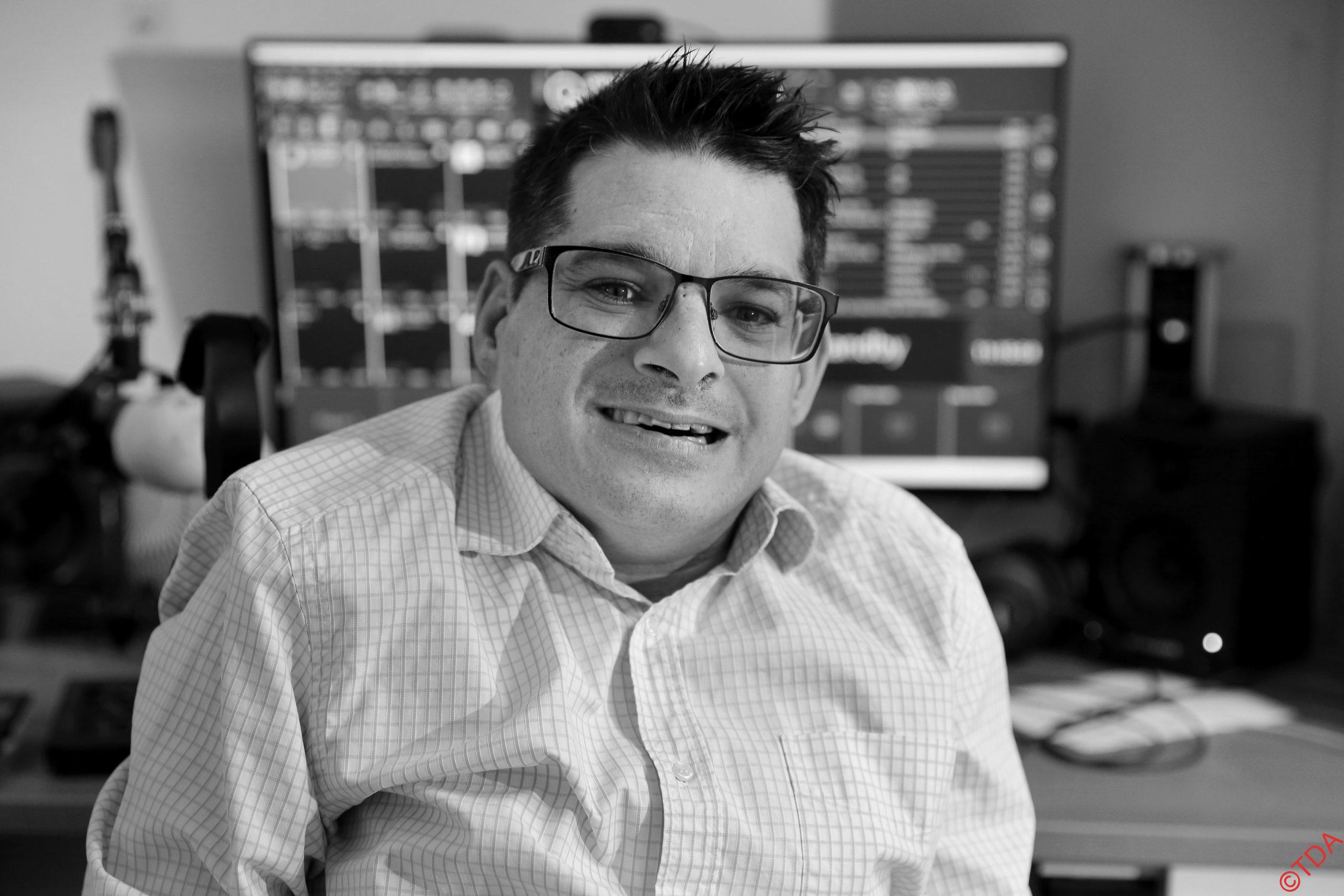
I spent 15 years in a care home because there was no viable alternative. Leaving required extraordinary persistence and resilience. That should never be the case. If independence is truly the goal, disabled people must stop being treated as administrative problems and start being treated as citizens.
Every government reveals its values not through speeches, but through outcomes.
Who waits longest.
Who falls through gaps.
Who is asked to absorb failure quietly.
At present, disabled people remain among those expected to do just that.
That is not fairness.
That is not dignity.
That is not leadership.
If this Government is serious, it must:
– Reform disability assessments to make them humane and accurate
– Fully fund social care
– Enforce accessibility in transport and housing
– Build NHS reform around complex needs
– Bring disabled people into policy-making as leaders
– Reject the idea that disability is primarily a cost
Disabled people are not asking for sympathy. We are asking for systems that work. I write these columns because silence allows injustice to continue. Disabled people are watching this Government closely. We are listening carefully. And we are measuring words against reality. If fairness truly matters, disabled people can no longer be an afterthought.
We have waited long enough.
